
Understanding EMDR G-TEP: A Powerful Group Approach for Trauma Healing
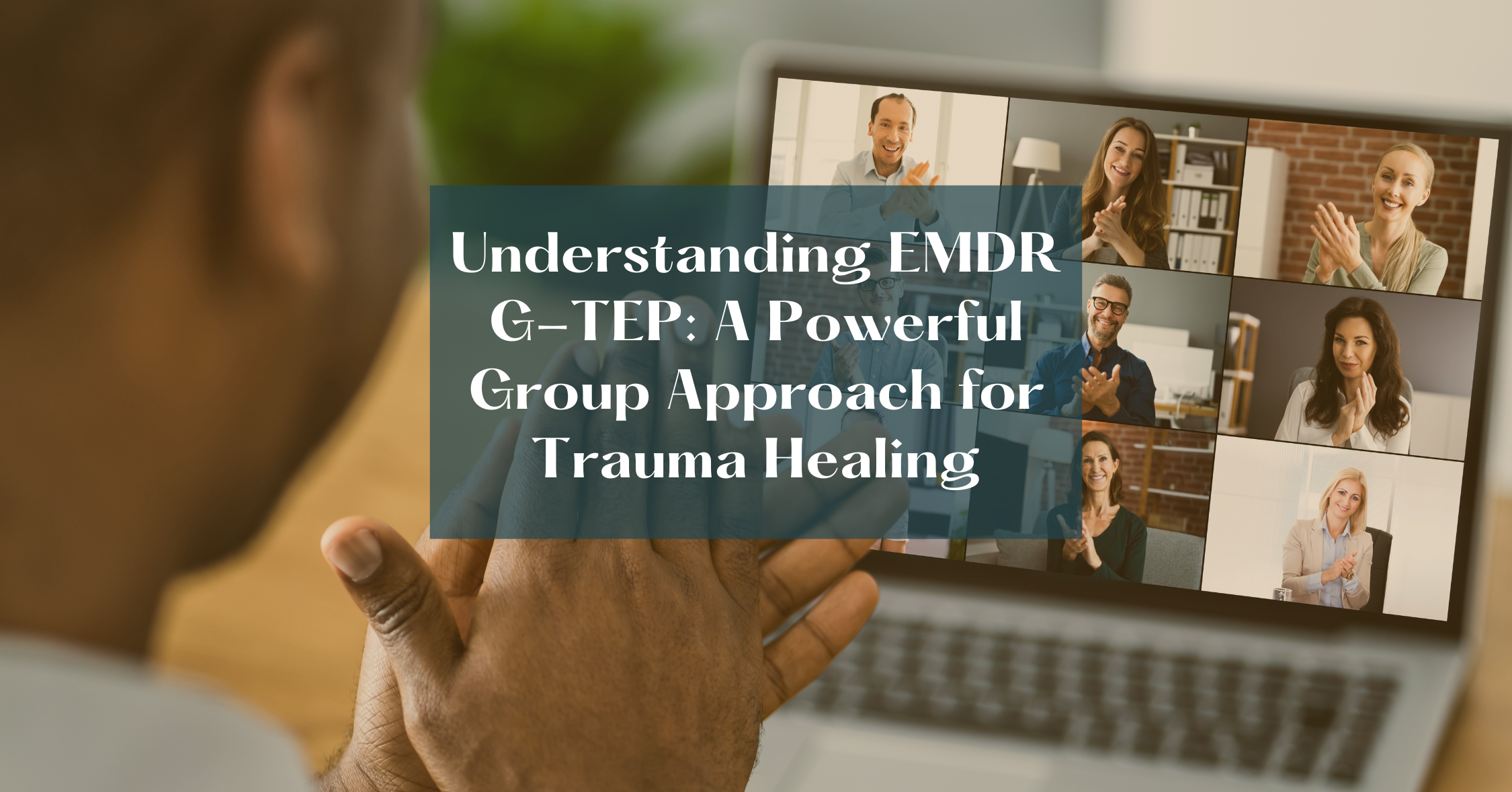
Many adults silently carry the weight of difficult experiences, stress that never quite goes away, memories that show up at the wrong time, and emotional overwhelm that feels hard to explain. EMDR (Eye Movement Desensitization and Reprocessing) has helped countless people move through trauma, but what many don’t realize is that EMDR can also be offered in a gentle, structured group format known as G-TEP, the Group Traumatic Episode Protocol.
If you have been seeking a supportive, affordable, and effective approach to trauma healing, an EMDR G-TEP group may be a meaningful next step.
What Is EMDR G-TEP?
EMDR G-TEP is a research-based adaptation of EMDR designed specifically for a group setting. What makes this approach unique is that participants never have to share their trauma stories out loud. Instead, each person works privately with their own experiences while moving through a series of structured EMDR steps guided by trained clinicians. The group setting creates connection and support, while the EMDR framework provides a safe, systematic way to reduce emotional distress.
G-TEP is often experienced as gentler than traditional talk-therapy groups because it allows for deep healing with personal privacy maintained throughout the process.
How the Process Works
During a G-TEP session, participants move together through grounding exercises, identifying a memory or stressor privately, and then engaging in EMDR-based bilateral stimulation to help the brain process what feels unresolved. Each person follows the same sequence, but the work is deeply individual.
You remain fully in control of your experience. You choose what you work on and how deeply you go. The facilitator’s role is to create emotional safety, provide clear guidance, and help the group pace the process so no one feels rushed or overwhelmed.
Even though each participant is working quietly on their own material, the group offers emotional support simply by being a shared space of healing.
Why EMDR G-TEP Helps Adults Move Forward
Adults often carry long histories of stress, trauma, or emotional strain that build over time. EMDR G-TEP is especially useful because it meets people where they are, without forcing disclosure, without requiring anyone to “perform,” and without the pressure to speak about things that are still painful.
Participants often describe feeling lighter, calmer, and more grounded after G-TEP sessions. Many appreciate not having to go into detail about what they’ve experienced. The protocol does the work internally, while the facilitator ensures safety and support along the way.
G-TEP can be helpful for past trauma, recent events, grief, chronic stress, and the emotional reactions that arise from feeling overwhelmed or stuck.
Why Virtual EMDR Groups Are Growing
The ability to participate from home makes the process more comfortable and accessible. Many individuals prefer the privacy of their own environment while engaging in trauma-focused work. Virtual EMDR G-TEP groups also reduce barriers to care, making it easier for adults across New Jersey to receive trauma-informed support without travel, scheduling challenges, or long waitlists.
Is EMDR G-TEP Right for You?
If you’ve been feeling the impact of past or recent events, struggling with anxiety or emotional overwhelm, or simply noticing that you’re carrying more than you can hold on your own, EMDR G-TEP may offer the support you need. You do not need a PTSD diagnosis to benefit, many people join because they feel stressed, triggered, or stuck in cycles they’re ready to break.
The best way to determine whether this group approach is a good fit is through a brief screening process that helps ensure safety and clinical appropriateness.
Ready to Explore Whether This Group Is Right for You?
If this approach resonates with you and you’d like to learn more about whether you’re a good fit, we welcome you to complete our short screening form. A member of our team will review your responses and follow up with next steps.